2025–2026 Annual Report
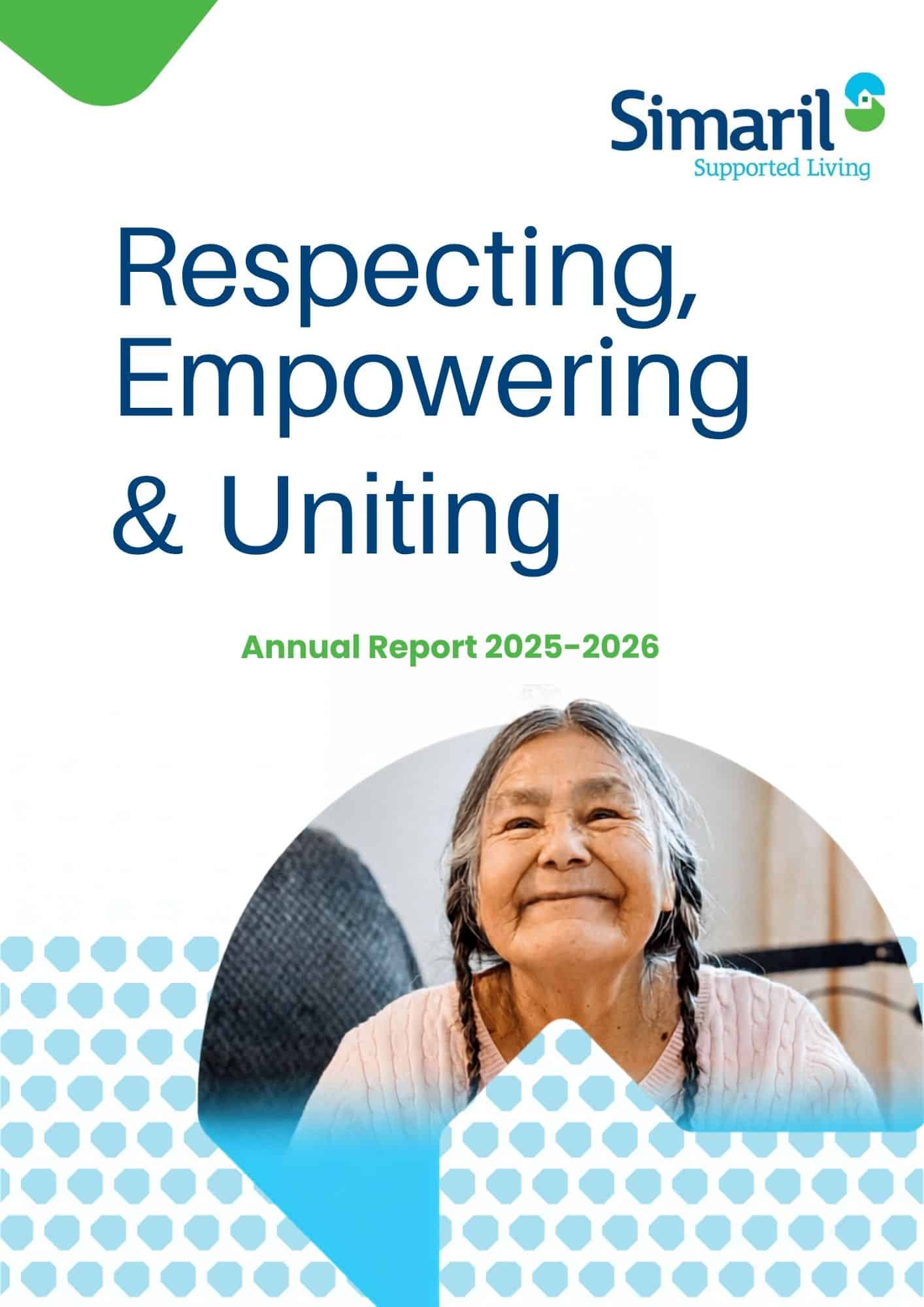
Simaril’s 2025–2026 Annual Report highlights the past year across our programs, services, community connections, organizational growth, and financial results.
 Download Annual Report 2025–2026
Simaril’s 2025–2026 Annual Report highlights the past year across our programs, services, community connections, organizational growth, and financial results.
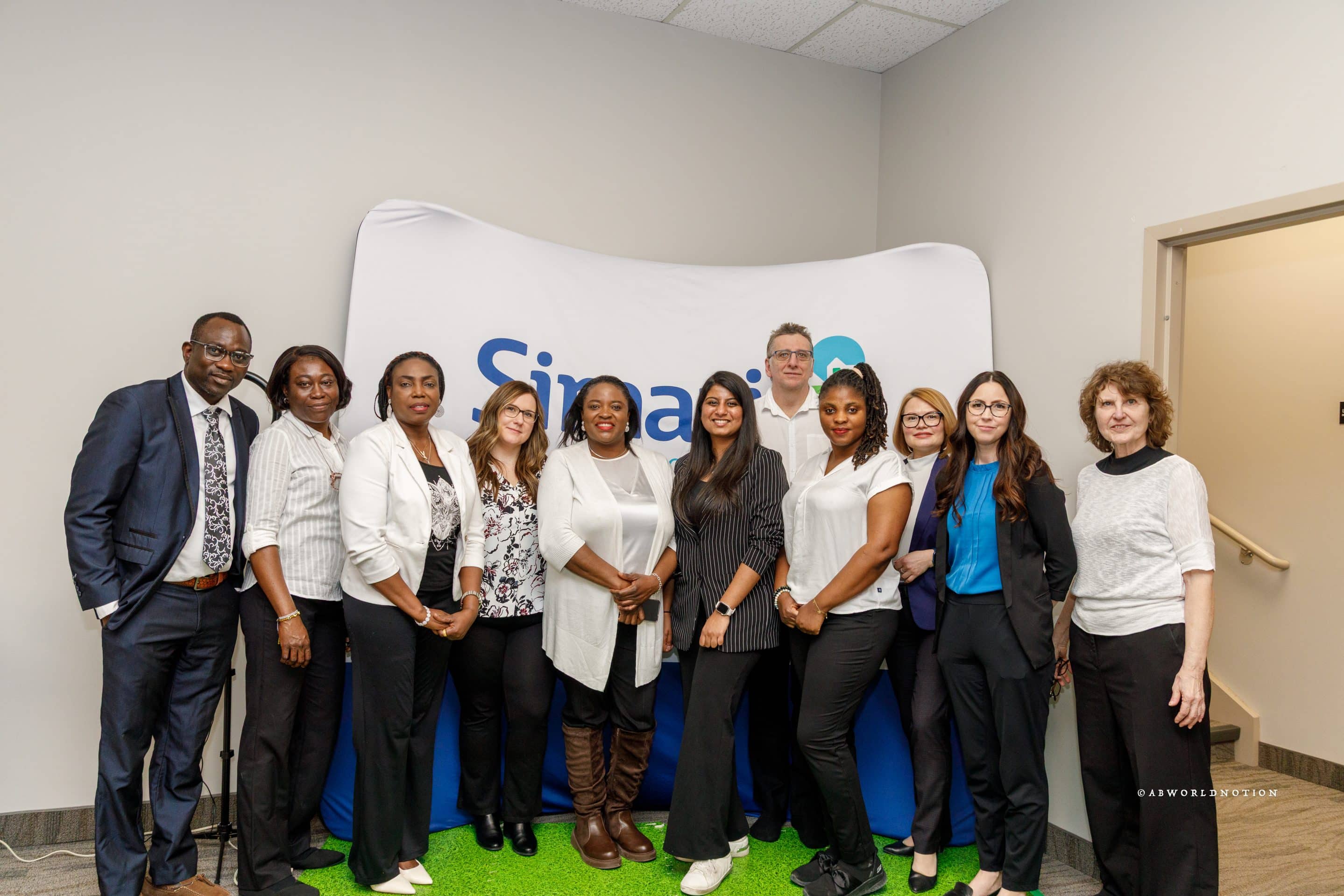
We recently took time to recognize work anniversaries across our team. At Simaril, milestones are more than just numbers. They reflect the time, care, and consistency that our staff bring to their work every day. Behind each year is a person who has chosen to stay, to grow, and to continue supporting others in meaningful […]
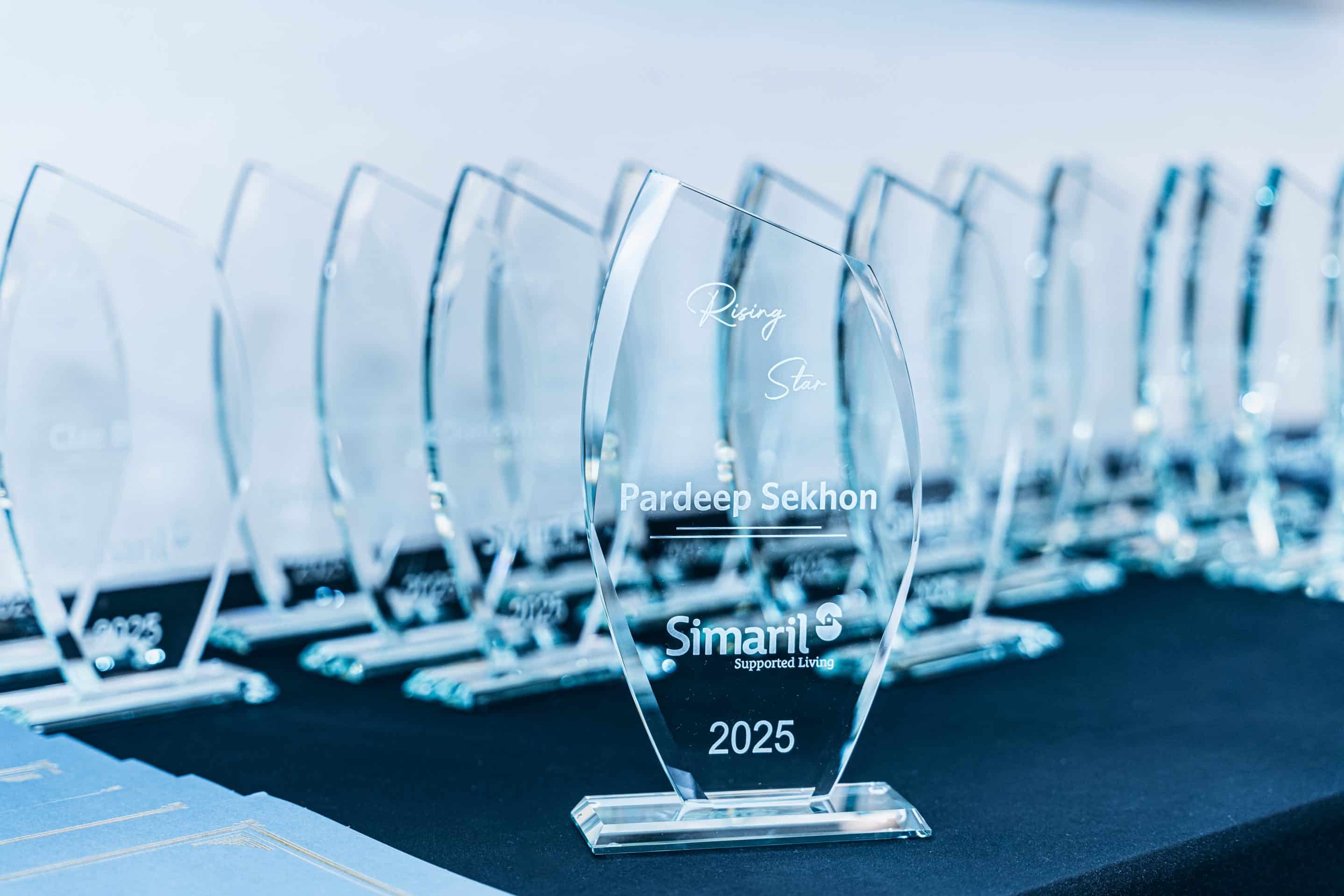
Our 2025 AGM was a truly inspiring evening filled with connection, reflection, and celebration. The event brought together the persons we support, their families, staff, and our board members. We looked back on a year of incredible growth and looked ahead with excitement and renewed hope. A standout moment was the Staff Awards Ceremony, where […]